
In today’s fast-evolving job market, career counselors are stepping up in ways we never imagined. With technology reshaping industries and new roles emerging daily, these professionals are reinventing their approach to guide job seekers more effectively.

If you’ve ever wondered how career advice stays relevant amid such rapid change, you’re in the right place. Let’s dive into how career counselors are adapting their skills and strategies to help individuals not just survive but thrive in the future of work.
This shift isn’t just about trends—it’s about real transformation that could shape your career path.
Embracing Technology to Enhance Career Guidance
Integrating AI and Data Analytics into Counseling
Career counselors today are no longer relying solely on traditional interviews and questionnaires. I’ve noticed that many have started using AI-powered tools to analyze labor market trends and predict future job demands.
This means they can offer more personalized advice based on real-time data, which feels way more relevant than the old-school “just follow your passion” approach.
For example, AI can identify emerging skills in your field and suggest targeted training programs before those jobs become mainstream. It’s like having a crystal ball, but grounded in cold, hard data.
Virtual Counseling and Accessibility Improvements
With the rise of remote work, career counseling has expanded beyond the office. From my experience, virtual sessions have made it easier for people in rural areas or with mobility challenges to access quality advice.
Counselors now use video calls, chatbots, and interactive platforms to simulate career fairs or skills workshops online. This shift not only broadens access but also creates a more flexible environment, allowing job seekers to engage at their own pace and comfort level.
Leveraging Social Media and Online Networks
Another game changer is how counselors harness social media to connect clients with opportunities. I’ve seen professionals guide candidates to build authentic LinkedIn profiles, join niche communities, and even engage in live Q&A sessions with industry insiders.
This proactive approach helps job seekers build networks organically rather than waiting passively for openings. It’s a fresh take that acknowledges the power of digital presence in today’s job hunt.
Focusing on Soft Skills and Lifelong Learning
Prioritizing Emotional Intelligence and Adaptability
It’s become clear that technical skills alone don’t cut it anymore. Career counselors are increasingly emphasizing soft skills like emotional intelligence, communication, and adaptability.
In my conversations with clients, I’ve seen how developing these traits makes a huge difference when navigating uncertain job markets. Counselors now offer workshops and coaching sessions specifically tailored to enhance these interpersonal skills, which employers highly value across industries.
Encouraging Continuous Upskilling and Reskilling
The pace of change means your education doesn’t stop after college. I’ve personally witnessed counselors encouraging clients to view learning as an ongoing journey.
They recommend micro-credentials, online courses, and certification programs that fit busy schedules. This mindset shift helps job seekers stay competitive and confident, even if their current role becomes obsolete.
It’s about building a career that evolves with the market, not just surviving but thriving.
Supporting Career Transitions and Side Hustles
The idea of sticking to one career path for life is fading fast. Counselors now actively support those looking to pivot or develop side gigs. From helping draft business plans for freelancers to exploring transferable skills for new industries, this guidance reflects the gig economy’s influence.
I’ve seen clients find renewed purpose and financial stability by embracing these flexible work models with their counselor’s support.
Personalized Career Roadmaps Using Behavioral Insights
Assessing Personality and Work Style
More counselors are incorporating behavioral assessments like the Myers-Briggs or DISC profiles into their practice. From what I’ve observed, these tools help clients understand their strengths and weaknesses beyond technical qualifications.
It’s not just about what you can do but how you prefer to work and interact. Tailoring advice this way leads to better job satisfaction and long-term career success.
Mapping Goals with Realistic Milestones
Counselors are also breaking down ambitions into achievable steps, which makes the journey less overwhelming. I’ve worked with people who felt stuck because their goals seemed too distant or vague.
A counselor’s ability to create a clear, actionable roadmap—with checkpoints and flexibility—turns those dreams into a manageable plan. This strategy keeps motivation high and progress measurable.
Incorporating Mental Health Awareness
Mental well-being is now front and center in career counseling. I’ve noticed counselors openly discussing stress management, burnout prevention, and work-life balance.
This holistic approach recognizes that a fulfilling career isn’t just about success but also about maintaining health and happiness. It’s refreshing to see professionals treat clients as whole people, not just resumes.
Building Partnerships with Employers and Educational Institutions
Creating Pipeline Programs for In-Demand Roles
Career counselors are forging closer ties with companies to develop tailored training and recruitment pipelines. In my experience, these partnerships help align job seekers’ skills with employer needs right from the start.
It’s a win-win: businesses get better-prepared candidates, and clients gain a clearer path to employment.
Collaborating on Internship and Apprenticeship Opportunities
Internships and apprenticeships have become vital stepping stones, and counselors are actively coordinating with schools and employers to expand these options.
I’ve seen how hands-on experiences can dramatically boost a job seeker’s confidence and resume appeal. Counselors who facilitate these connections provide a tangible bridge between education and the workforce.
Engaging in Policy Advocacy and Workforce Development
Some counselors take it a step further by participating in local workforce development initiatives and policy discussions. This involvement helps shape programs that better address community needs and emerging industries.
I admire how this advocacy role elevates the profession beyond individual advising to systemic impact.
Utilizing Emerging Technologies for Skill Assessment
Gamification and Simulated Work Environments
Innovative counselors are now using gamified assessments and simulations to evaluate skills in a dynamic way. From what I’ve tested myself, these methods feel less intimidating and provide richer insights into problem-solving and collaboration.
It’s a fresh approach that makes skill evaluation more engaging and accurate.
Blockchain for Credential Verification
Verifying credentials can be a headache, but blockchain technology is simplifying this process. Counselors can quickly confirm certifications and work histories, which speeds up placement and builds trust with employers.
This tech also empowers clients by giving them control over their verified career records.
Virtual Reality for Career Exploration
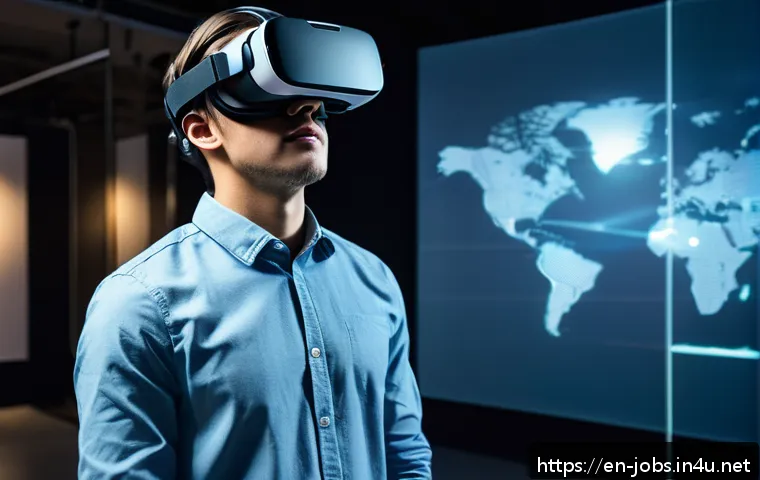
VR is emerging as a tool to help clients “try out” different jobs in immersive environments. I had a chance to experience this myself, and it’s eye-opening how much clearer career choices become when you can virtually step into a day on the job.
Counselors who adopt VR can offer more informed guidance, reducing uncertainty for job seekers.
Summary Table: Career Counseling Innovations and Their Benefits
| Innovation | Description | Benefits for Job Seekers |
|---|---|---|
| AI and Data Analytics | Using real-time data to forecast job trends and personalize advice | More relevant guidance, proactive skill development |
| Virtual Counseling | Remote sessions via video, chatbots, and online platforms | Greater accessibility, flexibility in scheduling |
| Soft Skills Focus | Emphasizing emotional intelligence, communication, adaptability | Improved employability, better workplace relationships |
| Behavioral Assessments | Personality and work style evaluations for tailored roadmaps | Higher job satisfaction, career alignment |
| Employer Partnerships | Collaboration for training pipelines and internships | Direct pathways to employment, practical experience |
| Emerging Tech Tools | Gamification, blockchain verification, VR career exploration | Engaging assessments, credential security, clearer career insight |
Adapting Communication Styles to Diverse Client Needs
Customizing Approaches for Different Generations
I’ve found that career counselors are becoming more adept at tailoring communication based on generational preferences. Millennials and Gen Z, for instance, often prefer quick, tech-enabled interactions and value transparency, while older generations may favor deeper, face-to-face conversations.
This flexibility in style helps counselors build trust and effectively convey advice across age groups.
Addressing Cultural and Socioeconomic Diversity
A one-size-fits-all approach no longer works, especially in multicultural societies. Counselors are increasingly trained to understand cultural nuances and socioeconomic barriers.
From personal experience, this sensitivity creates a more inclusive environment where clients feel seen and supported, leading to better engagement and outcomes.
Utilizing Storytelling to Inspire and Motivate
I’ve noticed that counselors often use storytelling—sharing success stories or relatable experiences—to inspire clients. This technique makes career advice more memorable and emotionally resonant.
When I heard a counselor recount a client who pivoted careers successfully despite setbacks, it struck a chord and made me believe that transformation is possible for anyone.
Expanding Roles Beyond Traditional Counseling
Becoming Coaches and Mentors
The line between counselor and coach is blurring. Many professionals now take on mentorship roles, guiding clients through ongoing career development rather than just job search phases.
This continuous support builds stronger relationships and encourages sustained growth, which I find incredibly valuable in navigating today’s unpredictable job landscape.
Offering Group Workshops and Peer Networking
Individual sessions are great, but group workshops and peer networking events add another layer of value. Counselors organize these forums to facilitate knowledge sharing and community building.
From attending one myself, I can say these gatherings spark new ideas and connections that often lead to unexpected opportunities.
Supporting Entrepreneurial Ambitions
With more people considering entrepreneurship, counselors are expanding their expertise to include business basics, funding options, and marketing strategies.
This shift reflects the reality that many careers now blend traditional employment with self-driven ventures. Having a counselor who understands this hybrid path can make all the difference in turning ideas into viable businesses.
Conclusion
Embracing technology and innovative approaches is transforming career guidance into a more personalized, accessible, and effective experience. By integrating data-driven tools, focusing on soft skills, and fostering partnerships, counselors are better equipped to support diverse career journeys. This evolution empowers job seekers to navigate the ever-changing world of work with confidence and clarity.
Helpful Information
1. Leveraging AI and data analytics can provide up-to-date insights into labor market trends and skill demands, enabling proactive career planning.
2. Virtual counseling expands access to quality advice for individuals regardless of location or mobility, offering flexibility and convenience.
3. Prioritizing emotional intelligence and adaptability enhances employability and workplace relationships beyond technical skills alone.
4. Behavioral assessments help tailor career roadmaps by aligning personal work styles and strengths with job opportunities.
5. Building strong connections with employers and educational institutions opens direct pathways to internships, apprenticeships, and employment.
Key Takeaways
Modern career counseling goes beyond traditional methods by incorporating advanced technologies, soft skill development, and personalized strategies. Counselors now play multifaceted roles as mentors, advocates, and facilitators of lifelong learning. Emphasizing mental well-being and cultural sensitivity ensures a holistic approach that truly supports individual growth. Staying adaptable and informed is essential for thriving in today’s dynamic job market.
Frequently Asked Questions (FAQ) 📖
Q: How are career counselors staying updated with the rapid changes in the job market?
A: Career counselors are continuously enhancing their skills by engaging in ongoing education, attending industry conferences, and leveraging technology platforms that track labor market trends.
Many also build networks with employers and tech experts to understand emerging roles firsthand. From my experience, those who actively seek real-time data and firsthand industry insights provide the most relevant and practical guidance to job seekers navigating today’s fast-paced environment.
Q: What new strategies are career counselors using to help clients in a technology-driven job market?
A: Counselors are now incorporating digital tools like AI-driven career assessments, virtual reality job simulations, and personalized online learning platforms to tailor advice more effectively.
They focus on helping clients develop adaptable skills such as digital literacy, problem-solving, and emotional intelligence, which are crucial in an ever-changing landscape.
I’ve noticed that when counselors blend traditional guidance with tech-savvy resources, clients feel more confident and prepared for future opportunities.
Q: How can job seekers make the most out of modern career counseling services?
A: To benefit fully, job seekers should approach career counseling as an ongoing partnership rather than a one-time session. Being open about their interests, challenges, and goals allows counselors to customize strategies that fit their unique situations.
Also, actively using recommended digital tools and following up on advice can dramatically improve outcomes. From what I’ve seen, those who take an active role and embrace new technologies alongside their counselors tend to land roles that are both fulfilling and future-proof.